
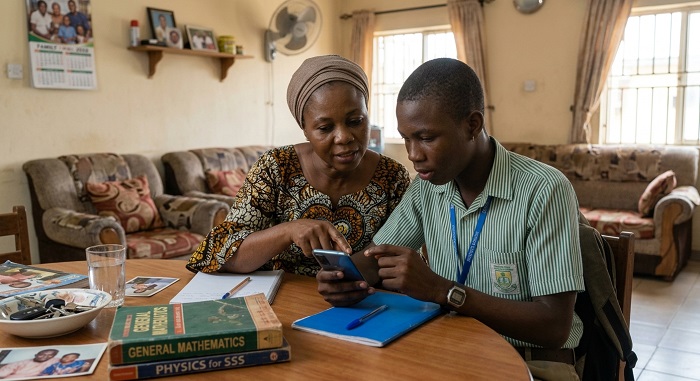
The internet can be a wonderful classroom, but without proper guidance, it can also expose children to risks they may not know how to handle.
Today, children use smartphones, tablets and computers for schoolwork, entertainment, communication and social media. While the digital world offers incredible opportunities for learning and creativity, it also comes with challenges such as cyberbullying, scams, inappropriate content, online strangers and excessive screen time.
So, how can parents help their children enjoy the benefits of the internet while staying safe?
🔐 1. Teach Children About Online Privacy
Children should understand that personal information should not be shared carelessly online. Teach them not to share their home address, school details, passwords, phone numbers, photographs or other private information with strangers.
Remind them that not everyone online is who they claim to be.
👀 2. Know What They Are Doing Online
Parents don't need to spy on their children, but they should take an active interest in their digital lives. Ask what websites they visit, which apps they use and who they interact with online.
For younger children, parental controls and age-appropriate settings can provide an additional layer of protection.
💬 3. Encourage Open Communication
One of the best safety tools is a child who feels comfortable talking to their parents.
Let your children know they can come to you if they receive a strange message, see disturbing content, experience cyberbullying or feel uncomfortable online.
Avoid immediately shouting or taking away their device. If children fear punishment, they may hide problems instead of reporting them.
🚫 4. Teach Them to Recognise Online Strangers
Children should understand that they should never agree to meet someone they only know online without a trusted adult's knowledge and involvement.
Teach them to be cautious about friend requests, private messages, suspicious links and people asking unusual questions.
🛡️ 5. Help Them Create Strong Passwords
Encourage children to use strong, unique passwords and never share them with friends. Where appropriate, enable additional account security features such as two-factor authentication.
Parents should also teach children to be careful when clicking unfamiliar links or downloading unknown files.
📱 6. Set Healthy Screen-Time Boundaries
Online safety isn't only about strangers and scams. Too much screen time can interfere with sleep, schoolwork, physical activity and family interaction.
Create reasonable technology-free periods, particularly during homework, family meals and bedtime.
🌐 7. Teach Children to Think Before They Post
A photograph, comment or video shared online can be copied or saved by others. Encourage children to ask themselves:
“Would I be comfortable if my parents, teacher or future employer saw this?”
If the answer is no, it may be better not to post it.
👨👩👧 Safety Starts With Conversation
Technology will continue to change, and children will encounter new apps, platforms and online trends. Parents cannot control everything their children see online—but they can prepare them to make safer decisions.
Don't wait for something to go wrong before discussing online safety.
Talk. Listen. Set boundaries. Teach responsible digital behaviour.
The goal isn't to keep children away from the internet. It is to help them become smart, confident and responsible digital citizens.
No comments yet. Be the first to share your thoughts.
Comments 0
Share your thoughts about this story.